Multi Pilot Operation
One flies. One manages. Same idea — applied to running a beta.
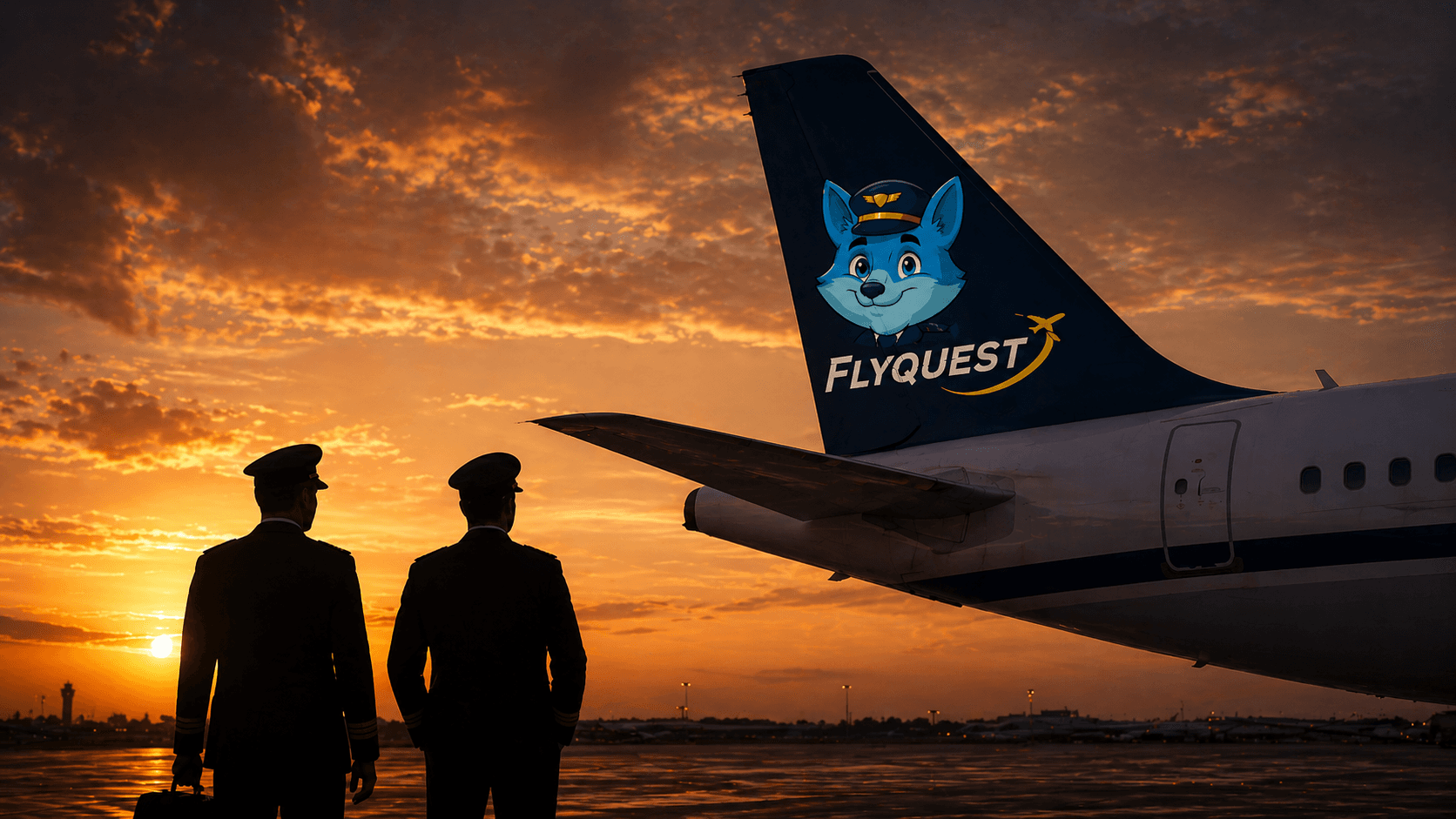
The beta was running, and honestly, it was running well. No major technical issues, the modes were holding up, players were engaging with the app every day. From the outside, it probably looked like a calm phase — the kind of phase where you finally get to breathe.
In reality, we were just sprinting differently.
Manual flying
In aviation — specifically in a multi-pilot aircraft — one crew member is hands on the controls, manually flying the airplane. The other handles management and communication: monitoring instruments, talking to ATC, running checklists, keeping the bigger picture together. Both are working full time. Just on very different things.
That's exactly what happened during this beta.
Quentin had the right kind of distance. He was writing content — questions, scenarios, difficulty tuning, the whole pedagogy side — but he was also stepping back constantly. Watching the data. Watching the testers. Talking to them, talking to me, gathering signal from everywhere he could. Communication was half his job, and it was the thing that kept the whole operation pointed in the right direction.
His pipeline was real work too. Everything landed in spreadsheets first — questions, answers, difficulty tags — and then I'd integrate it into the core of FlyQuest. No admin panel yet, no smooth content tool. Spreadsheets on one side, code on the other.
On top of that, he was running the human side of the beta — onboarding testers one by one, answering questions, gathering feedback, keeping everyone engaged. Invisible work. Critical work.
Me, on the other side of the cockpit: task tunnel. Push content, fix bugs, maintain servers, ship the next version. Every task felt urgent, every issue felt blocking. I rarely got my head out of the build long enough to think about anything beyond the next 24 hours. We were pushing a new version almost every two days, and the to-do list kept growing in the background.
Same airplane. Two very different jobs. Both of us flat out.
The good kind of intensity
The funny thing is, that rhythm — as relentless as it was — felt good. There's a particular energy when an app is actually out there, even in beta, and people are using it. Every push felt like it mattered. Every fix felt visible. After months of building in the dark, having real players on the other end was a huge motivator.
Debrief
After three weeks, we closed the beta and moved into debrief mode.
A lot of data. A lot of data. Patterns we hadn't anticipated, player behaviors that surprised us, friction points we couldn't see from inside the build. Plenty of things to rethink, plenty of things that confirmed we were on the right track.
That's the whole point of a beta — you don't run one to be told you're perfect.
So we took notes. We made a plan.
And we got back to work, with more clarity than when we started.